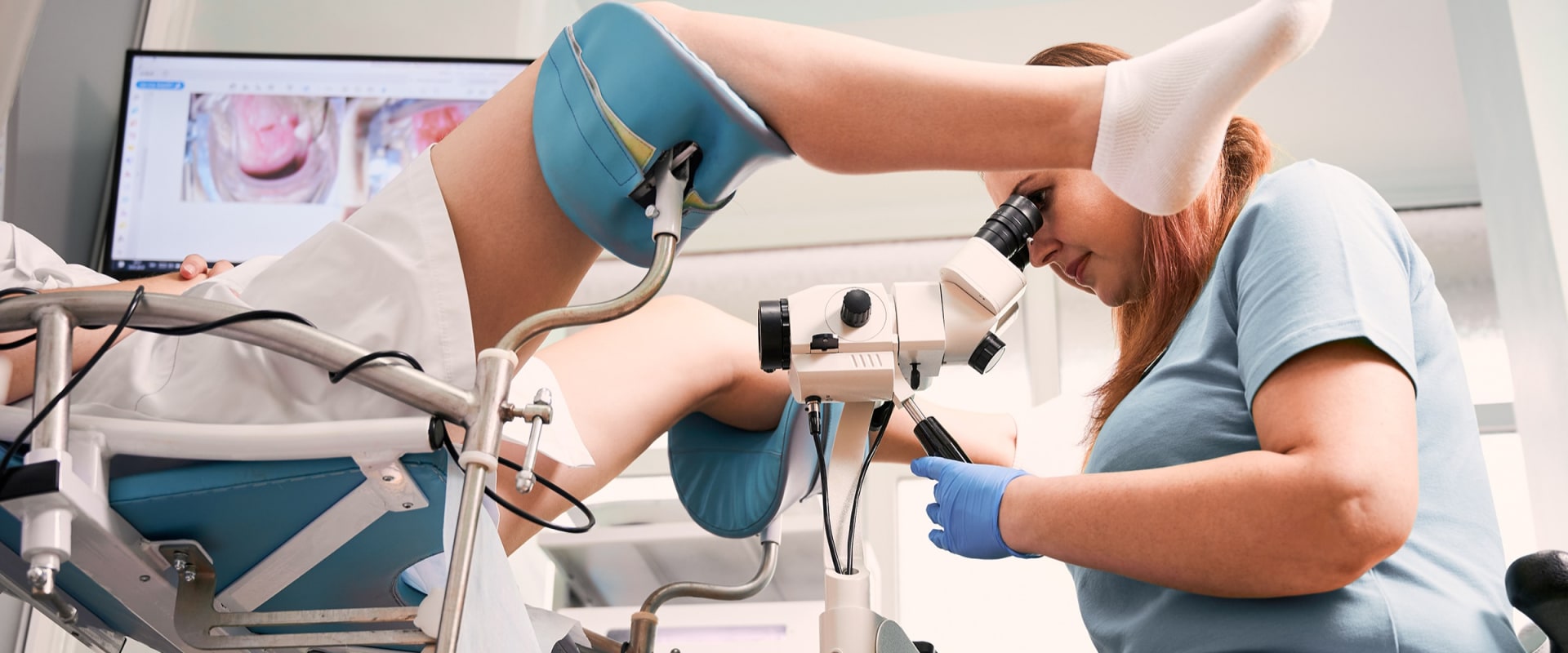
Women's health is a multifaceted aspect of well-being that encompasses not only physical health but also emotional, mental, and social factors. It is essential for women to prioritize their health throughout their lives, as it directly impacts their quality of life, productivity, and overall happiness. Preventive care plays a crucial role in this regard, allowing women to take proactive steps toward maintaining their health and preventing potential issues before they arise.One of the cornerstones of preventive care for women is regular health screenings, which include Pap smears and well woman exams. These procedures are vital for early detection of health concerns, particularly those related to reproductive health.
By understanding the importance of these screenings, women can empower themselves to make informed decisions about their health and well-being.Moreover, preventive care extends beyond just screenings; it involves a comprehensive approach to health that includes lifestyle choices such as nutrition, exercise, and mental health support. Engaging in regular check-ups and discussions with healthcare providers can help women navigate the complexities of their health needs at different life stages. This proactive approach not only fosters a sense of control over one’s health but also builds a foundation for long-term wellness.In the following sections, we will delve deeper into the significance of Pap smears and well woman exams, exploring how these essential components of preventive care contribute to women's overall health. Understanding these aspects can lead to better health outcomes and a more empowered approach to personal wellness.
What is a Pap Smear?
A Pap smear , also known as a Pap test, is a vital screening procedure designed to detect cervical cancercervical cancer and other abnormalities in the cervix.This test plays a crucial role in women's health by allowing for early detection and intervention, which can significantly improve outcomes.The procedure typically involves the following steps:
- Preparation: Before the test, it is advisable to avoid sexual intercourse, douching, or using vaginal medications for at least 48 hours. This ensures that the sample collected is as accurate as possible.
- Collection of Cells: During the Pap smear, a healthcare provider will use a speculum to gently open the vagina. This allows access to the cervix, where cells are collected using a small brush or spatula. The process is quick and usually causes minimal discomfort.
- Laboratory Analysis: The collected cells are then sent to a laboratory for examination under a microscope.
Pathologists look for any abnormal changes in the cells that could indicate precancerous conditions or cervical cancer.
By participating in regular screenings, women can take proactive steps toward maintaining their reproductive health and overall well-being.
The Importance of Regular Pap Smears
Regular Pap smears are a crucial component of women's health care, serving as a primary method for detecting cervical cancer at its earliest stages. Cervical cancer is a significant health concern, with the American Cancer Society estimating that approximately 14,000 women in the United States will be diagnosed with this disease each year. This statistic underscores the importance of proactive health measures, as early detection can dramatically improve treatment outcomes.The primary purpose of a Pap smear is to identify any abnormal changes in the cells of the cervix that could lead to cervical cancer. These changes often develop slowly over time, making regular screenings essential for catching potential issues before they progress.The Centers for Disease Control and Prevention (CDC) recommends that women begin receiving Pap smears at age 21, regardless of sexual history, and continue every three years until age 29. After 30, women may opt for Pap smears every five years if combined with HPV testing.One of the most compelling reasons to prioritize regular Pap smears is the potential for early detection. When cervical cancer is found early, the five-year survival rate is over 90%. In contrast, if the cancer is diagnosed at a later stage, this rate drops significantly. Regular screenings not only help in identifying cancer but also allow for the detection of precancerous conditions that can be treated effectively before they develop into cancer.Moreover, Pap smears can also serve as an opportunity for women to discuss other aspects of their reproductive health with their healthcare provider.
This includes conversations about birth control options, menstrual irregularities, and sexually transmitted infections (STIs). By fostering open communication during these visits, women can take a more active role in managing their health.In summary, regular Pap smears are vital for maintaining women's health and preventing cervical cancer. With early detection being key to successful treatment, it is essential for women to adhere to recommended screening schedules and engage in discussions with their healthcare providers about their overall reproductive health.
What is a Well Woman Exam?
A well woman exam is a vital component of preventive healthcare for women, designed to assess and promote overall health and well-being. This comprehensive examination typically occurs annually and serves as an opportunity for women to engage proactively with their health.It encompasses a variety of assessments and discussions that are crucial for early detection of potential health issues.The components of a well woman exam can vary based on age, medical history, and individual health needs, but generally include the following:
- Medical History Review: Your healthcare provider will begin by reviewing your medical history, including any previous illnesses, surgeries, medications, and family health history. This information helps tailor the exam to your specific needs.
- Physical Examination: A thorough physical examination is conducted, which may include checking vital signs such as blood pressure, heart rate, and weight. This assessment provides a baseline for your overall health.
- Pelvic Exam: A pelvic exam is often a key part of the well woman exam. During this procedure, the doctor examines the reproductive organs for any abnormalities or signs of disease.
- Pap Smear: If indicated, a Pap smear may be performed to screen for cervical cancer.
This test involves collecting cells from the cervix to check for any precancerous changes.
- Breast Examination: A clinical breast exam is typically included to check for lumps or other changes in breast tissue that could indicate potential issues.
- Screening Tests: Depending on your age and risk factors, additional screenings may be recommended. These can include mammograms for breast cancer, cholesterol tests, diabetes screenings, and bone density tests.
- Discussion of Reproductive Health: The exam provides an opportunity to discuss reproductive health concerns such as menstrual irregularities, contraception options, and sexually transmitted infections (STIs).
Regular participation in these exams is essential for maintaining optimal health throughout different life stages.
Key Components of a Well Woman Exam
A well woman exam is a comprehensive assessment designed to monitor and maintain a woman's overall health. This exam typically includes several key components that work together to provide a complete picture of a woman's health status. Understanding these components can empower women to take charge of their health and ensure they receive the necessary care.- Medical History Review: One of the first steps in a well woman exam is a thorough review of the patient's medical history. This includes discussing any previous health issues, surgeries, or chronic conditions.
The doctor will also inquire about family medical history, as certain conditions may have genetic links. Additionally, lifestyle factors such as diet, exercise, and smoking habits are assessed to identify potential risk factors for various diseases.
- Physical Examination: Following the medical history review, a physical examination is conducted. This typically includes:
- General Health Assessment: The doctor will check vital signs such as blood pressure, heart rate, and temperature. This initial assessment helps gauge overall health.
- Breast Examination: A clinical breast exam is performed to check for any lumps or abnormalities.
Women are encouraged to perform self-exams regularly and report any changes during their visits.
- Pelvic Examination: A pelvic exam is crucial for assessing reproductive health. During this examination, the doctor will inspect the external genitalia and perform a speculum exam to visualize the cervix and vagina. This is also when a Pap smear may be conducted to screen for cervical cancer.
- Screening Tests: Depending on age and risk factors, additional screening tests may be recommended during the well woman exam. These can include:
- Mammograms for breast cancer screening, typically starting at age 40 or earlier based on risk factors.
- Bone density tests to assess osteoporosis risk, especially for women over 65 or those with risk factors.
- Blood tests to check cholesterol levels, blood sugar levels, and other important health markers.
- Discussion of Reproductive Health: The well woman exam is an excellent opportunity for women to discuss any reproductive health concerns with their doctor.
Topics may include birth control options, menstrual irregularities, sexually transmitted infections (STIs), and menopause symptoms. Open communication during this time can lead to better management of these issues.
How Often Should Women Get Pap Smears and Well Woman Exams?
Understanding the appropriate frequency for Pap smears and well woman exams is crucial for maintaining optimal health. The guidelines for these screenings can vary based on age, health history, and individual risk factors.Below, we outline the recommended schedules for both Pap smears and well woman exams.
Pap Smear Frequency Guidelines
The American College of Obstetricians and Gynecologists (ACOG) provides specific recommendations regarding Pap smear screenings:- Age 21-29: Women should begin receiving Pap smears at age 21, regardless of sexual history. It is recommended to have a Pap smear every three years during this age range.
- Age 30-65: Women in this age group have the option to continue with Pap smears every three years or switch to a combination of Pap smear and HPV (human papillomavirus) testing every five years. The latter is often preferred as it provides a more comprehensive assessment of cervical health.
- Over 65: Women who have had regular screenings with normal results may not need further Pap smears after age 65. However, those with a history of cervical pre-cancer or other risk factors should consult their healthcare provider for personalized recommendations.
Well Woman Exam Schedule
A well woman exam is an essential part of preventive healthcare that should be conducted annually. During this visit, healthcare providers assess overall health and address any specific concerns.The following outlines the general schedule:
- Annual Visits: Women should aim for an annual well woman exam starting in their late teens or early twenties. This allows for ongoing monitoring of reproductive health and general wellness.
- Mammograms: Women aged 40 and older should discuss the need for mammograms with their healthcare provider, as these screenings are vital for early detection of breast cancer.
- Additional Screenings: Depending on individual health history, additional tests such as cholesterol checks, diabetes screenings, or bone density tests may be recommended during well woman exams.
Common Misconceptions About Pap Smears and Well Woman Exams
Despite the critical role that Pap smears and well woman exams play in maintaining women's health, several misconceptions persist that can deter women from seeking these essential services. Addressing these myths is vital for empowering women to take charge of their health.Myth 1: Pap smears are only necessary if you are sexually active.
This is a common belief, but it is not accurate.
The American College of Obstetricians and Gynecologists recommends that women begin receiving Pap smears at age 21, regardless of their sexual history. This early screening is crucial for detecting any abnormal cell changes in the cervix that could lead to cervical cancer.
Myth 2: You only need a Pap smear every year.
Many women think they need to undergo this test annually, but guidelines suggest otherwise. If your results are normal, you may only need a Pap smear every three years until age 29. After that, if you are also tested for human papillomavirus (HPV), you can extend the interval to every five years. This change in frequency is based on research indicating that less frequent testing is just as effective for most women.
Myth 3: Well woman exams are just about reproductive health.
While these exams do include assessments of reproductive health, they encompass much more.
A well woman exam is a comprehensive check-up that evaluates overall health, including screenings for high blood pressure, cholesterol levels, and diabetes. It’s an opportunity to discuss lifestyle factors such as diet and exercise, which are crucial for long-term wellness.
Myth 4: If you feel fine, you don’t need a Pap smear or well woman exam.
Many women believe that if they are not experiencing any symptoms, there is no need for these exams. However, many health issues can develop without noticeable symptoms. Regular screenings can catch potential problems early when they are most treatable.
Myth 5: Pap smears are painful and uncomfortable.
While some discomfort may occur during the procedure, it should not be painful.
Many women report feeling only mild pressure or discomfort during the test. If you have concerns about pain or anxiety related to the exam, discussing these with your healthcare provider can help alleviate fears and improve your experience.By debunking these myths surrounding Pap smears and well woman exams, we can encourage more women to prioritize their health and seek necessary screenings. Understanding the facts versus the myths empowers women to make informed decisions about their healthcare.
The Role of Lifestyle in Women's Health: Beyond Exams
While regular Pap smears and well woman exams are crucial for monitoring reproductive health, it is equally important to recognize the significant role that lifestyle factors play in a woman's overall well-being. A holistic approach to health encompasses not just medical check-ups but also nutrition, exercise, and mental health considerations.Nutrition: The Foundation of Health
Nutrition is a cornerstone of good health, influencing everything from energy levels to disease prevention.A balanced diet rich in fruits, vegetables, whole grains, lean proteins, and healthy fats can help women maintain a healthy weight, reduce the risk of chronic diseases, and support reproductive health. Key nutrients such as folic acid, iron, calcium, and omega-3 fatty acids are particularly important for women:
- Folic Acid: Essential for women of childbearing age to prevent neural tube defects during pregnancy.
- Iron: Important for preventing anemia, especially during menstruation.
- Calcium: Crucial for bone health, particularly as women age and face the risk of osteoporosis.
- Omega-3 Fatty Acids: Beneficial for heart health and may help alleviate symptoms of depression.
The Importance of Regular Exercise
Physical activity is another vital component of a healthy lifestyle. Regular exercise not only helps maintain a healthy weight but also improves cardiovascular health, boosts mood, and enhances overall quality of life. Women should aim for at least 150 minutes of moderate-intensity aerobic activity each week, along with strength training exercises on two or more days.Benefits of regular exercise include:
- Improved Mood: Exercise releases endorphins, which can help reduce feelings of anxiety and depression.
- Enhanced Energy Levels: Regular physical activity can increase stamina and reduce fatigue.
- Better Sleep: Engaging in physical activity can help regulate sleep patterns.
Mental Health Considerations
Mental health is an integral part of overall wellness that should not be overlooked. Women often face unique stressors related to work-life balance, family responsibilities, and societal expectations. Prioritizing mental health through practices such as mindfulness, therapy, or support groups can significantly improve emotional well-being. Additionally, maintaining social connections and engaging in hobbies can provide essential outlets for stress relief.In conclusion, while routine exams like Pap smears are essential for detecting potential health issues early on, adopting a healthy lifestyle through proper nutrition, regular exercise, and mental health care is equally important.By taking a comprehensive approach to health, women can empower themselves to lead healthier lives.
Conclusion: Empowering Women Through Knowledge and Preventive Care
In conclusion, the significance of Pap smears and well woman exams cannot be overstated when it comes to empowering women to take control of their health. These essential health screenings serve as a foundation for early detection and prevention of serious health issues, particularly cervical cancer and other reproductive health concerns.By understanding the differences between these two procedures, women can better appreciate their individual roles in maintaining overall health. A Pap smear is a targeted screening that focuses on identifying abnormal cervical cells that could lead to cancer, while a well woman exam encompasses a broader assessment of a woman's health, including physical examinations and discussions about lifestyle factors.Regular participation in these exams not only aids in the early detection of potential health problems but also fosters a proactive approach to personal wellness. Women who engage in routine screenings are more likely to stay informed about their bodies and make educated decisions regarding their health care options.Moreover, these visits provide an invaluable opportunity for women to discuss any concerns they may have with their healthcare providers.Topics such as birth control , menstrual irregularities , and sexually transmitted infections (STIs) can be addressed in a safe and supportive environment. This open dialogue encourages women to seek help when needed and reinforces the importance of prioritizing their health.As we move forward, it is crucial for women to recognize that knowledge is power. By staying informed about the importance of Pap smears and well woman exams, women can advocate for themselves and ensure they receive the necessary care. Remember, taking charge of your health today can lead to a healthier tomorrow.In summary, regular screenings are not just medical procedures; they are vital tools that empower women to maintain their health and well-being.
Make it a priority to schedule your next appointment and encourage other women in your life to do the same. Together, we can foster a culture of awareness and prevention that benefits all women.